- Published on

The word “since” is often misused as a coordinating conjunction. In fact, its only appropriate roles are those of preposition, adverb, and subordinating conjunction.
Unlike with coordinating conjunctions, a preceding comma is usually not required—and particularly not so when “since” means “because.”
Two noteworthy exceptions calling for the use of commas are the insertion of parenthetical components in a sentence and the lessening of ambiguity when the preceding introductory clause is negative.
Of course, as is true of all subordinating conjunctions—not only “since,” moving the subordinate clause to the start of the sentence requires that the relocated clause be followed by a comma.
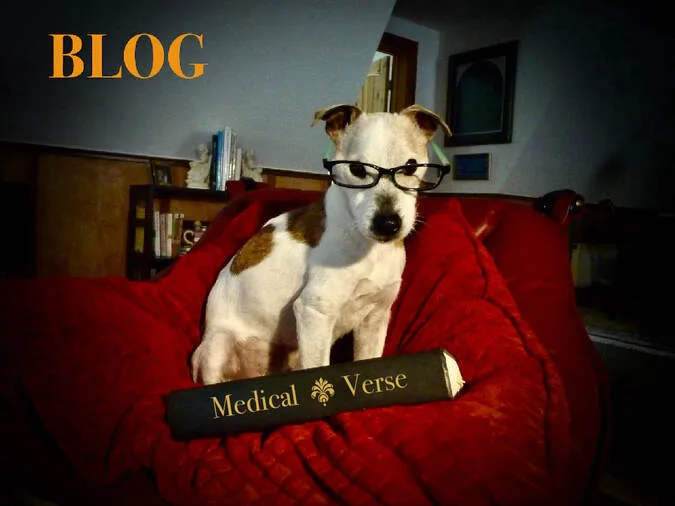
The little dog is still incensed
Since finding skunk at fence;
Whene'er the scent of skunk is sensed,
Our dog will take offense.
And since the skunk was at the fence,
There lingers yet a stench;
And that is quite important since
Our dog will want revenge.
So raucous a barking there was had,
The skunk we've not seen since.
Unrequited hate is surely sad;
Our dog may grief evince.
*The key:
“Since finding skunk at fence…” (prepositional phrase)
“since the skunk was at the fence…” (subordinating conjunction, moved to the beginning of the sentence)
“since our dog will want revenge…” (subordinating conjunction)
“The skunk we've not seen since…” (adverb)
“Whene'er…” (like since, whenever is a subordinating conjunction; moved to the beginning of the sentence)
- Published on
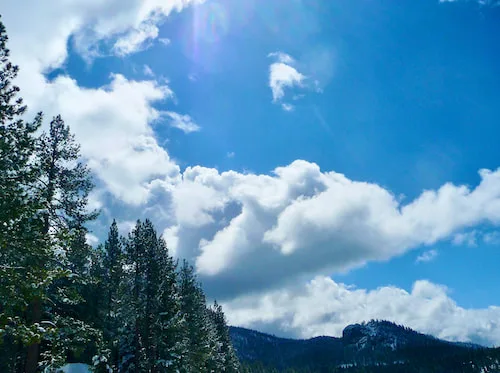
When birds of a feather go flocking together
In brightness or darkness, whatever the weather,
We think of the oneness that means more than many
And tells of a majesty greater than any.
It comes from the message they write in the sky
As grouped in formation they cursively fly.
The wonderful mystery we see there expressed
Is spirit uplifting with outlook most blessed.
Though seemingly fleeting, it speaks of perspective,
While posing a challenge to humans collective;
Consider the angle when viewing the obvious,
Engage even those who are possibly devious.
Regardless of image, this art from its nature,
Conveyed by wee sculptors of limited stature,
Projects into being a power impressive,
Belying the size of each unit expressive.
- Published on
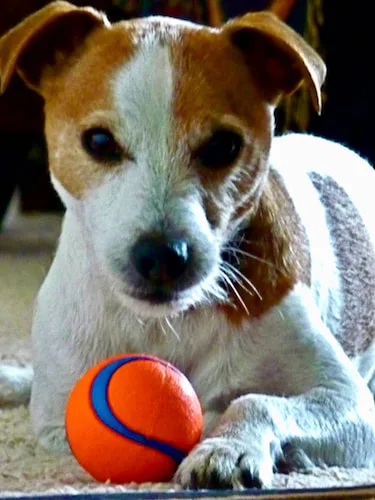
Of creatures on the earth I've seen
None sporting more than balls have been.
They come in sizes fit to play
And pose themselves throughout the day.
They'll take the path that's planned by staff
And bound about with stifled laugh.
They roll and bounce and urge a chase
That's full of fun in every case.
When leaping high as if to flee,
Their legs are hid most cleverly.
When snatched from air in spinning flight,
They never yelp or squeal in fright.
I keep my favorite ball close by
Away from interlopers sly;
My paw stands guard alert to stop
Their wily plots to grab and swap.
—Shortfellow (aka Lord Zakwoof of Glenwoof)
- Published on

I drift along on gel-like legs
And read what sands reveal
Within a local sea curtailed
By walls that glassy feel.
The furrowed words carved in reply
Are easily erased,
As artificial currents flow
Within the space encased.
From years of testing, now at hand
Indelible ink delight;
The hope it brings is freedom come,
And on the glass I write:
“An octopus so literate
Should never limits see.
Release me now with no regret,
And let me roam the sea.”
- Published on
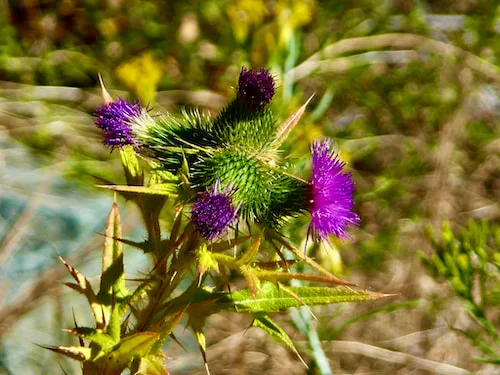
I hear the wind among the trees
Playing celestial symphonies;
I see the branches downward bent
Like keys of some great instrument.
And over me unrolls on high
The splendid scenery of the sky
Where through a sapphire sea the sun
Sails like a golden galleon.
—Henry Wadsworth Longfellow, from "A Day of Sunshine"
I hear the buzz among the bees,
Relaying floral mysteries.
They tell of colored petals meant
As guides to nectars succulent.
And just beyond the nearby fence,
The valued insects wheel and dance,
Where neath the guarded nook a hive
Sits like a chest of gold alive.
—Shortfellow (aka Lord Zakwoof of Glenwoof)
- Published on
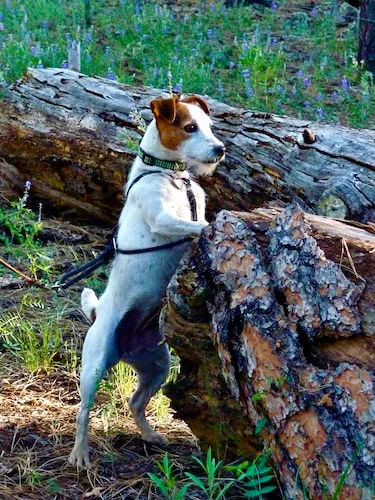
So strongly felt this urge to track,
To scent and chase and mount attack;
It tells of lives less tame than wild,
Of hunting instinct undefiled.
Though born by plan to canine clans,
I brought with me a feline stance,
A skill-set held in mute reserve,
While seeking yet the barking verve.
To bark was joy, this life confirmed,
As in my voice I clear affirmed
No chance to speak would go unheard
By friend or foe or passing bird.
The stealthy ways of soul-made kin,
Though hidden deeply down within,
Would sometimes prompt a cat-like poise,
A pounce made spare of pomp or noise.
No wonder then one's bent to box,
With paws out-flung delivering knocks.
Some homegrown brawls, I'd take this tack,
Confusing Zak when fighting back.
—Princess Zoelandia of the Woof Clan
- Published on

Oh, tower pine attired in green,
With toothbrush top to keep sky clean,
May humankind revere your work,
Preserve your kin, not duty shirk.
Oh, silky stream in valley deep,
Like liquid gold anointing sleep,
Adorn the landscape evermore,
Abundance washing every shore.
Oh, mighty cliff surmounting rift,
A natural altar raised as gift,
Continue so to lift in praise
All eyes that introspective gaze.
Oh, thunderous wash with downward spray,
Perpetual plunging on display,
Dynamic screen in waterfall
Project the awe inspired in all.
Oh, evening sky at sunset come
With color, splendor, and aplomb,
Be brilliant nudge at end of day
For those who yet have lost their way.
- Published on
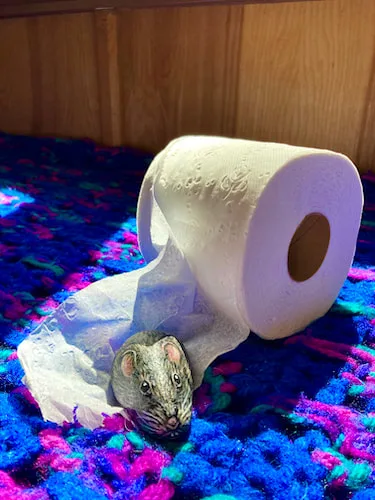
My issue with the tissue is
I wish it wouldn’t tear so;
It rips across like rotten cloth
And leaves one asking, How so?
Such moments not momentous are,
Just briefly inconvenient;
But when misfortune quick repeats,
It’s botheration ardent.
It triggers thoughts to sure distract,
Bring magic to the rescue:
A self-dispensing tissue roll,
Imaginary preview.
- Published on
For better or for worse,
We praise before we curse
As friendly gran or nurse
Or teacher ever terse.
All sprouts that spring to life
Are welcome until rife,
Then comes the pruning knife,
Some disallowed to thrive.
More happiness is found
On ventures outward bound,
The way back much renowned
For tedium all around.
At every merry dance,
We start with hopeful plans,
But all may go askance
By virtue of mere chance.
When novelties arise,
More cautious are the wise.
Such newness oft belies
A lack of sure demise.
- Published on
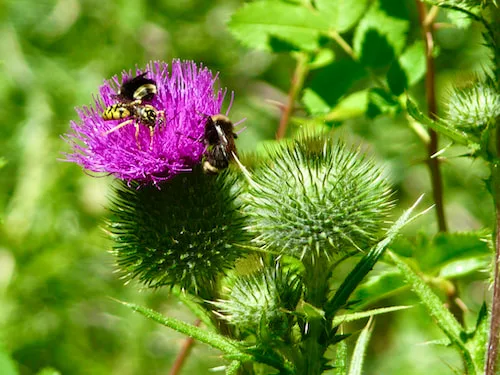
Never a mumbler be!
Better a bumble bee,
Ever to buzz in trees,
Ever to flowers tease.
Favor the humble bee;
Honor its certainty;
Into the breeze it braves
Yonder from eaves and caves.
Glowing with purpose pure,
Bearing harmonic cure,
Massive the life it sows,
Buzzing through endless rows.
Gather the voice to share,
Let out your words of care.
Nimbler than mumbler be,
Clarity p'raps to see.